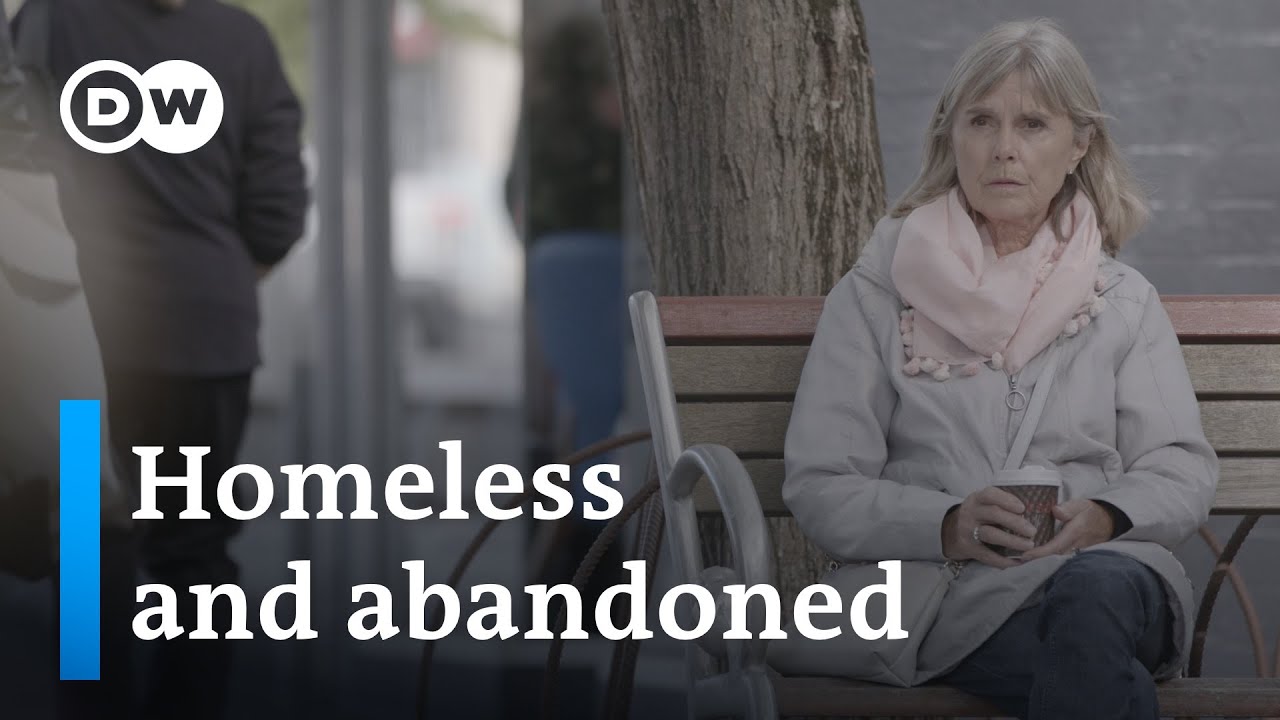
A Lost Dream
Providing hope and resilience is the foundation of our Not-for-profit work at People Purpose Place. This story from DW is compelling,
This house, on the right-hand side, is where our house was. This same tree, actually, the same tree, that has always been here. And that big gum tree up the back was full of fruit bats. They would come and screech all night and I was very happy. And life was pretty good. It was pretty good. It happens suddenly. My partner said to me one day, we don’t have any money left. And, um, it’s sort of too hard to kind of even comprehend really. He kept saying, “Don’t worry about money, don’t worry about money. Everything is under control. You keep doing your thing.” But then, this day he said – it was a Saturday, and he said, we don’t have any money left. The removalists came and took everything. Homelessness was not even on my radar. I had never, ever considered that I would be homeless. Never.
The Great Australian Dream
For many years, owning a house was known as the Great Australian Dream. The belief was that home ownership would lead to a better life. A home represents more than just bricks and mortar. More than a roof over your head. It is a shelter. A safe place to live. Giving us security and a sense of belonging.
Australia was called the lucky country — a land of hope and opportunity. The myth was that you could achieve anything if you worked hard enough. The aim was, for many, to own a quarter-acre block in the suburbs with a clothesline out the back. Housing developments were everywhere. New suburbs were sprawling and the property market was booming. We’re selling! For a while, the future looked rosy. Politics and economics change everything. As time passed, the great Australian dream has slowly eroded. And for many people, that dream has been shattered.
The need for long-form storytelling. Thankfully, Deutsche Welle has been inspired to pick up this story.

The Misconceptions of Homelessness
I’m going a bit ranty now, but it’s absolutely crazy, vile, and reprehensible how our society treats homelessness. There’s this thing in the current neo-liberal agenda of wanting everyone to think that people are homeless because it’s their own fault. Technically homeless means, I don’t have a home. That can happen to anybody. Anyone could end up homeless in two weeks. Everyone who looks down on homeless people thinks: these homeless people have done something wrong, or they deserve it, or they need to work hard, or they shouldn’t be on drugs or whatever, not realizing that they could be the next homeless person. I didn’t think I could end up homeless and I did. I was homeless for over 10 years.
From Stability to Uncertainty
I got sacked from my job and had a relationship fall apart on the same day. Two weeks later, because I couldn’t afford to pay the rent, I also lost my house. So I went through the lost partner, lost house, and lost job, which are 3 of the 5 most stressful things you can have in your life. All happened at once. So from that, I ended up on the street. I had a generic white van pulled up to a park and just slept in the back. I slept in my car in one particular park for almost a year.
Stories of Resilience
I want to introduce Claire G. Coleman. I’ve heard Claire speak with moving insight about her experiences of being homeless. Claire’s novel, Terra Nullius, won the Norma K. Hemming Award, a science fiction award named for Australia’s first significant female science fiction writer. It’s a powerful story of colonial dispossession, oppression, and resistance to the invader settlers.
The Hidden Crisis
Homelessness is often seen as a man’s issue. What comes to mind is a man sleeping rough on a park bench. You don’t tend to think about someone’s daughter, mother, or grandmother.
As new data emerges, 405,000 women over 50 have been identified as homeless or on the brink of homelessness in Australia. These women are all over the country, and all over the world. It is a crisis on our doorstep. It’s always been a struggle for women to have equality in Australia. Although there has been some progress, the fight for equality in the so-called ‘lucky country’ continues to this day. Women may have raised children, had a reduced earning capacity, cared for aging parents, put careers on hold and had little or no superannuation. Now, as they age, and with no prospect of getting back into the workforce, they find themselves as part of the growing and shameful statistic of homelessness. They are often hidden, out of sight, out of mind.
Editor Note: Discussions with Housing Older Womens movement have found as one option we have a process that offers some hope and resilience for this cohort.
Creating Solutions
One great organisation working in this space is Housing All Australians

As governments and support services struggle to address the homelessness crisis, organizations and individuals work tirelessly to find solutions. One such initiative is the Housing All Australians project. This project aims to utilize empty buildings and convert them into short-term accommodation for those in need. While these pop-up shelters are not a long-term solution, they provide temporary relief and support for homeless individuals. However, it is clear that more needs to be done. There is a pressing need for affordable and public housing to be available.
Editor Note: Hope and resilience are exactly the words from our workshops that our attendees report after finding a possible path to their enduring home.
J
Workshop attendeeRebuilding Lives
It is not just about providing a roof over someone’s head. It is about rebuilding lives, restoring hope, and giving individuals a sense of security. Transitional housing programs and organizations like Women’s Housing are crucial in helping women find stability and regain their independence. These programs provide a place to live and offer support, resources, and a sense of community to those who have experienced homelessness.
Stories of Hope
Amidst the challenges and hardships, there are stories of hope and resilience. Individuals who have overcome adversity have found a sense of home, whether in a van, a bus, or a small apartment. These stories serve as a reminder that home and belonging can be found in unexpected places. They remind us of the human spirit’s strength and community’s power.
A Call to Action
Homelessness is a complex issue that requires a collective effort to address. Acknowledging the problem is not enough; we must take action. Governments, organizations, and individuals all have a role in creating sustainable solutions and supporting those in need. Together, we can build a society that values and prioritizes the well-being and security of all its members.
N
Workshop attendeeA New Dream
As the great Australian dream of home ownership fades for many, it is time to envision a new dream. One where hope and resilience walk hand in hand with some workable solutions. A dream that encompasses affordable housing, social support, and a sense of belonging for all. It is time to come together and work towards a future where homelessness is no longer a reality for anyone. Home is where we find safety, comfort, and a place to belong. Let us strive to make this a reality for all.

Jenny Sader
AmbassadorContinuing the Journey
These stories are just a glimpse into the reality of homelessness. They remind us of the importance of empathy, compassion, and understanding. As we reflect on these stories, let us remember that homelessness can happen to anyone, and it is our collective responsibility to address this issue and create a more inclusive and compassionate society. Together, we can make a difference. Our goal is to build up hope and resilience within our community.
People Purpose Place home

Leave a Reply