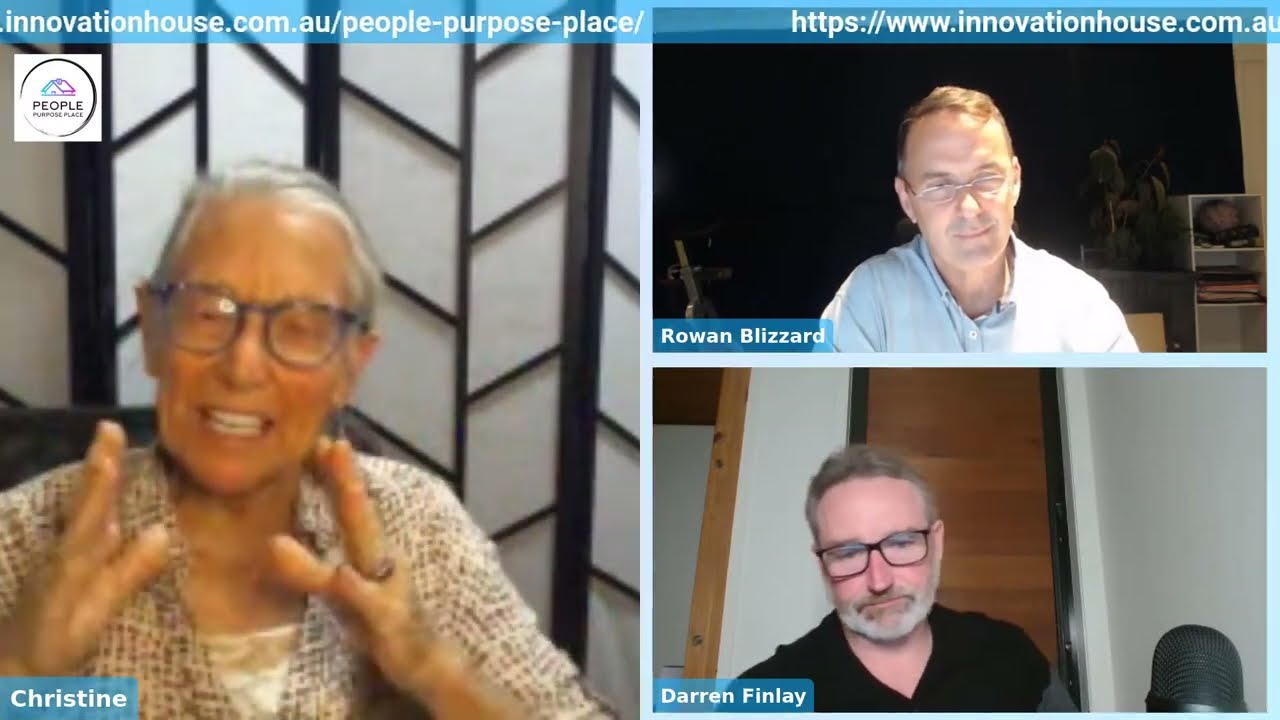
Exploring the Foundations of Integral Theory
Integral Theory, pioneered by renowned philosopher Ken Wilber, offers a comprehensive framework for understanding the evolution of human consciousness and development. This powerful approach recognizes that individuals and societies progress through distinct stages, each with unique perspectives and priorities.
At the core of Integral Theory lies the recognition that we must transcend and include the previous stages of our development. We cannot simply discard the archaic, mythic, or tribal aspects of our being. Still, we must instead integrate them into a more expansive, inclusive understanding of ourselves and the world around us.
The Spiral of Human Development
According to Integral Theory, human development follows a spiral trajectory, moving from the collective to the individual. We begin in an archaic, survival-focused state, then progress through mythic, tribal, and traditional stages, eventually reaching the modern and postmodern phases of development.
However, the journey does not end there. Integral Theory posits that there is a further, more inclusive stage beyond postmodernism – the integral stage. This level of development encompasses the previous stages, transcending and including them in a holistic, interconnected view of the self, the community, and the world.
Applying Integral Principles to Housing

Regarding housing and homing, Integral Theory offers a profound and transformative perspective. Rather than focusing solely on the physical structures or financial aspects of housing, Integral Housing seeks to address the deeper human needs and developmental stages that shape our relationship with our living spaces.
At the individual level, Integral Housing recognizes that each person is on a unique journey of growth and self-actualization. It acknowledges that we must transcend and include our previous stages of development, from the basic needs of shelter and safety to the higher-level desires for connection, community, and self-expression.
The Power of Collective Homing
However, integral housing is not just about the individual. It also recognizes the importance of the collective experience and the ways in which we come together to create shared living spaces that reflect our collective values, needs, and aspirations.
By embracing the principles of Integral Theory, Integral Housing seeks to foster environments that nurture the growth and development of both the individual and the community. It aims to create spaces that are not just functional but also inspire a sense of belonging, connection, and mutual support.
Navigating the Challenges of Integral Homing

Implementing Integral Housing is not without its challenges. Bringing together individuals at various stages of development with diverse needs and perspectives requires a delicate balance of understanding, empathy, and a willingness to transcend and include.
However, the rewards of this approach are profound. By creating housing that reflects the full spectrum of human development, we have the opportunity to cultivate environments that nourish the body, mind, and spirit—not just for the individuals who inhabit them but also for the broader community.
Embracing the Journey Ahead
As we continue to explore the concept of Integral Housing, we must remain open to its complexities and nuances. It is not a one-size-fits-all solution but rather a dynamic, evolving framework that must be tailored to each community’s unique needs and circumstances.
By embracing the principles of Integral Theory and applying them to housing and homing, we have the opportunity to create living spaces that truly nourish the human spirit, fostering connection, growth, and a sense of belonging that transcends the physical structures themselves.
The journey ahead may be challenging, but it is also filled with the promise of a more holistic, inclusive, and fulfilling approach to living, connecting, and thriving together.
People Purpose Place home

Leave a Reply