• Skip to main content
  • Skip to footer

People Purpose Place

At People Purpose Place, we're solving the housing crisis one intentional household at a time. Discover some of our plans and examples in our PLACE discussion here.

  • People
    • Who Are You
      • Ethical Investor
      • Community Worker
      • Community Elder
      • Young Professional
      • Facilitator
    • Ambassadors
      • Jenny Sader Ambassador
      • Darren Finlay Ambassador
      • Rowan Blizzard Ambassador
  • Purpose
  • Place
    • Places
      • Ginn Road
    • Projects
      • Rifle Range Road
    • Regions
      • Far North Queensland
    • Connected Projects
      • Connected Project: On Natures Edge Flat Pack House
    • Case Studies
      • 11th Avenue Small Lot
      • Renovating and Improving
      • Granny Flat
      • 70 Square meter
      • Multi-Generational
      • Pavilion Home
      • Existing House – Atherton
  • About
    • Events
    • Becoming a Registered Charity
    • Darren Finlay
    • Christine Doan
    • Russell Lowry
    • Rowan Blizzard
    • Privacy Policy
  • Start Here
    • How We Help
      • Form Groups
      • Design Solutions
      • Deliver Projects
      • Support Long-Term
    • FAQ ORIG
    • Media Releases
    • Flyers
    • Featured Coverage
    • Toolbox
    • Workshops
    • Reference Page
    • Podcasts and Video Content
  • Contact
  • Blog
    • Media Releases
    • All Blog Posts

Place

People Purpose Place and Experts in Social Development

18 July 2024 Leave a Comment

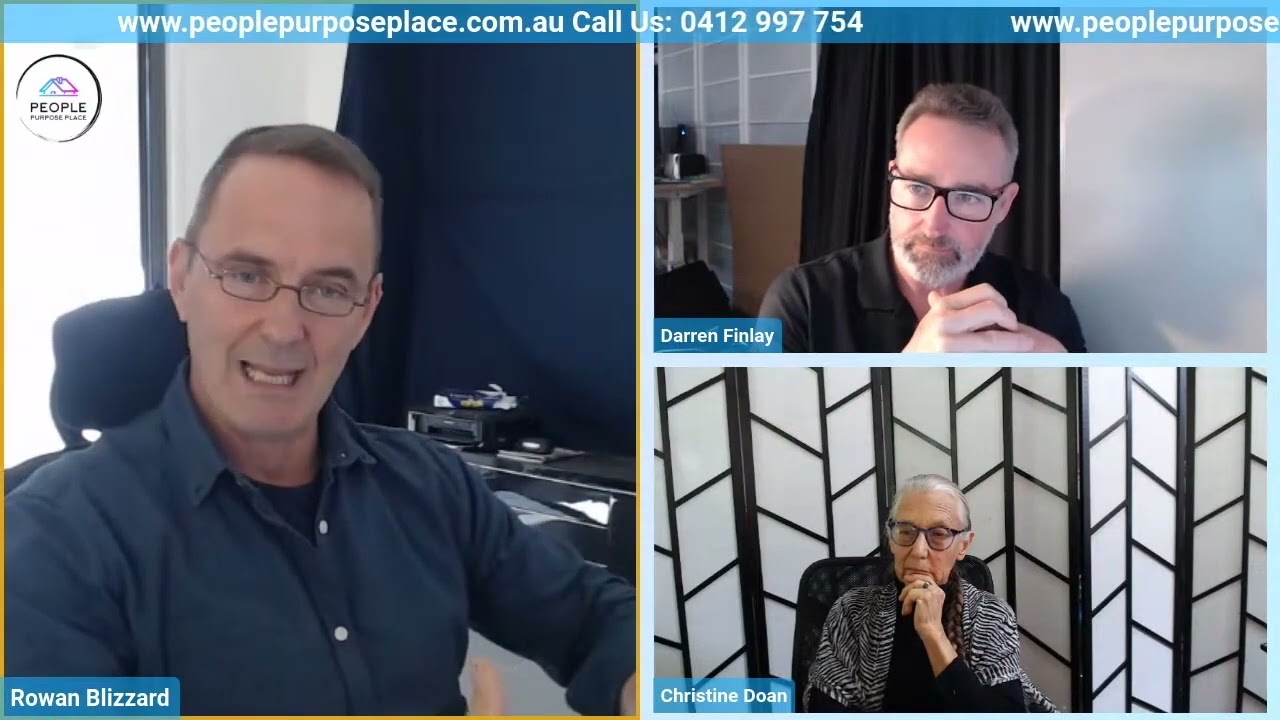
YouTube player

What comes to mind when you hear the word “developer”?

The word “developer” can have a bit of a dual-edged sword connotation. On one hand, there’s an aspirational aspect to developers being the ones who take big risks to make things happen that otherwise wouldn’t. They’re the ones driving the creation of new projects and developments. However, there’s also a perception of developers as being more focused on profit and taking advantage of consumers, with shiny shoes and questionable practices. The word “developer” seems to come with a mix of positive and negative associations. Is it possible social development can be done well?

What do you think are the key elements of “Social Development done well”?

social development done well

If social Development is done well, it needs to go beyond just focusing on physical accommodation and consider a community’s human needs and social fabric. The current model of development is often too narrowly focused on increasing density and maximizing profits without enough consideration for what will make the residents happy and create a thriving community.

Some key elements of Social Development done well include:

  • Involve future residents in the planning and design process so their needs and desires are incorporated from the start.
  • Enabling group purchasing and collaborative decision-making can unlock access to higher-quality, more sustainable, and more affordable housing options.
  • Fostering a sense of community and shared ownership, such as through communal garden spaces or other shared amenities.
  • Considering the needs of vulnerable populations like the elderly or domestic violence survivors, and designing solutions that provide stability and support.
  • Engaging with the local council and community to ensure buy-in and a shared vision, rather than just pushing through developments.

How can developers play a role in “Social Development done well”?

Developers have a unique opportunity to contribute to the solution for Social Development done well. Rather than focusing on maximizing profits through standard development models, developers who are driven by a social purpose can partner with future residents and the local community to create housing solutions that meet both financial and human needs.

Some ways developers can contribute to Social Development done well include:

  • Exploring alternative ownership and financing models like rent-to-buy or long-term leases can provide more stability and affordability for residents.
  • Engaging with future residents during the planning and design process ensures the development meets their needs and desires.
  • Leveraging group purchasing power to deliver higher-quality, more sustainable, and more affordable housing options.
  • Working collaboratively with local councils to navigate regulations and gain community buy-in rather than just pushing through standard developments.
  • Prioritizing social and environmental outcomes alongside financial returns, and being transparent about their ESG (environmental, social, and governance) goals.

What are the potential benefits of “Social Development done well” for individuals and communities?

social development done well

The potential benefits of Social Development done well are significant, both for individuals and communities. At the individual level, it can provide housing stability, security, and a sense of community that reduces stress and allows people to thrive. This can have a ripple effect, leading to stronger families, better mental and physical health, and more engaged citizens.

Social Development done well for communities can help retain valuable local knowledge and wisdom. One example it to retain elders in rural areas and the access to their wisdom and experience. It can also foster a greater sense of community connection and social fabric. We all want a sense of belonging and fitting in, where people feel connection with their neighbourhood. This can lead to reduced antisocial behaviour, more volunteerism and civic engagement, and overall higher quality of life.

Ultimately, Social Development done well prioritizes people and their needs, not just physical buildings. Developers and local councils can create living environments that enhance human well-being and social cohesion by taking a more holistic, community-focused approach.

Return to People Purpose Place home
Filed Under: Place

China Investors Leaving Australia as Property Crisis Deepens

4 July 2024 Leave a Comment

YouTube player

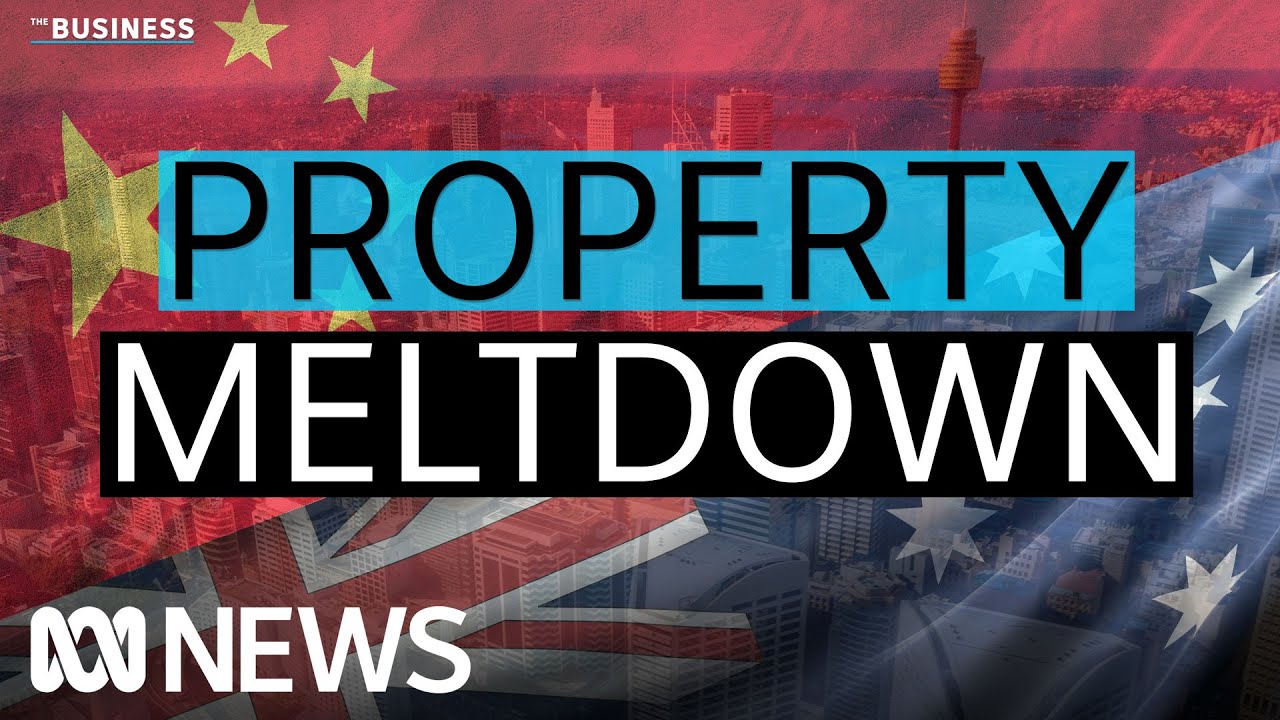
The Exodus of Chinese Developers from the Australian Market

If it has been so good for Chinese investors, we have to ask, “Chinese investors leaving”, WHY?

Over the past decade, top Chinese property developers like Country Garden, Greenland, and Wanda have been major Australian real estate market players. They have been snapping up prime development sites nationwide. However, the tides have turned, and these developers are now selling off their Australian assets or downsizing their operations amidst a worsening property crisis in China. The question has to be asked why are Chinese investors leaving?

Chinese investors leaving

According to Mark Weisel, the decision-making process for these Chinese developers has been “very sudden and very quick.” Now (2024) Chinese investors are leaving. Between 2009 and 2016, these Chinese developers amassed over $8 billion in development sites in Australia. However, with the troubles emerging at home, an exodus of these foreign investors from the Australian market has begun.

The Bursting of the Chinese Property Bubble

The Chinese property sector has been a significant driver of the country’s economic growth. Some reports say that this economic activity of property development accounts for more than a quarter of its GDP. However, in recent years, Beijing has introduced measures to crack down on the sector, including limiting the amounts developers can borrow. This has caused the Chinese property bubble to burst. This sector contracting since the second half of 2021 – the longest downtrend since the late 1990s.

The impact of this crisis has been felt by the major Chinese developers. Country Garden, the world’s most indebted property developer, recently posted a record first-half-year loss of $11 billion. This specific developer is at serious risk of default. Greenland, once a major player in the Australian market, has lost more than 99% of its share value.

Chinese investors leaving

The Exodus of Chinese Developers from Australia

As these Chinese developers face a cash crunch at home, they have been selling their Australian assets to raise funds. Greenland has sold a site in Erskine Ville, Sydney, for $350 million,. Country Garden is selling off portions of its Wilton Greens and Windermere Estate projects.

These sales will undoubtedly impact the number of new homes coming to the market. These large capacity Chinese developers have historically been adept at building high-density dwellings, such as apartment towers. Analysts predict that there will be less of these types of developments over the next two to five years.

The Impact on the Australian Economy

The exodus of Chinese investors from the Australian property market is a significant development. Australia has historically been the largest importer of millionaires. The departure of these deep-pocketed investors is likely to have a ripple effect on the Australian economy. The flow on effects will be evident in both in the real estate and construction sectors.

However, the Chinese government has clarified that it wants these developers to turn their focus back to China’s own property sector, which is crucial for the country’s post-pandemic recovery. This shift in priorities will likely continue to impact the Australian market in the coming years.

The Changing Relationship Between Australia and China

The Chinese investors leaving the Australian market also reflects the broader changes in the relationship between the two countries. The covert inquiry, trade sanctions, and sharp exchanges over international security issues, including Taiwan, have strained the bilateral relationship.

However, there are signs that the relationship may be improving, with reports that Chinese President Xi Jinping has decided it’s time to re-engage with Australia. The upcoming visit of Australian Prime Minister Anthony Albanese to Beijing is seen as a potential opportunity to reset the relationship, although there are still risks and challenges that need to be navigated.

What does it all mean?

The exodus of Chinese property developers from the Australian market is significant. This development reflects the broader challenges facing the Chinese property sector. It is reflected in the evolving relationship between Australia and China. As the Chinese developers turn their focus back to their home market, the impact on the Australian economy and real estate sector is likely to be felt in the coming years. However, the potential for a reset in the Australia-China relationship may offer new opportunities for both countries to navigate these changes.

People Purpose Place home

Filed Under: Place Tagged With: #housingbythenumbers

Losing Your Home: A Serious Look at the Human Experience

19 June 2024 Leave a Comment

YouTube player

The Journey to the NQ Tablelands

My story begins in Victoria, where I grew up on a farm with my large, close-knit family. With a family tragedy out of the blue, this was my first example of losing my home. As a stay-at-home mom, I packed up my two children and moved to the Tablelands region of North Queensland. In part, I was lured by the prospect of a fresh start and the opportunity to be closer to my aging parents. What was meant to be a six-month stint turned into a 32-year residency, as I found myself drawn to the beauty and community of the region.

There are numerous examples of government intervention that have moved people on.

Growing up on a farm, I was no stranger to hard work and the cycles of nature. The extended family environment provided a strong sense of resilience and survival, as we weathered the challenges of farm life together. However, the harsh realities of that era also left their mark, shaping my approach to life and how I would navigate the difficult times to come.

The Loss of a Home

After many years of building a life in the Tablelands, I found myself facing a devastating housing crisis. I had purchased a small house in Herberton, which I later had to relinquish to the bank. This was the second instance of losing my home. This loss was a significant blow, and I sought refuge in a local caravan park, a temporary solution that would soon become the centre of a much larger struggle.

For 13 years, I called the caravan park home, working tirelessly to maintain a sense of community and stability for myself and my fellow residents. We negotiated with the council, advocated for our rights, and even won several battles to improve living conditions and ensure the park remained welcoming. However, our hard-fought efforts were ultimately futile, as the council decided to demolish the park and redevelop the land without regard for the human impact.

The Emotional Toll

The news of the impending eviction hit me like a shockwave. I was consumed by a whirlwind of emotions – anger, hurt, and a deep sense of betrayal. How could the authorities entrusted to serve the community turn their backs on us so callously? The lack of empathy and disregard for our stories and struggles was overwhelming.

In the face of this adversity, I found myself having to dig deep within, drawing on the resilience and strength that had been forged through a lifetime of challenges. It was a battle on multiple fronts – not only fighting the bureaucratic machinery but also managing the emotional toll of losing my home and community. The process was arduous, filled with endless meetings, paperwork, and the constant need to prove the validity of our situation.

Rebuilding and Resilience

Yet, there was a third situation: losing my home. As the eviction process dragged on for nearly two years, I found myself in a state of constant crisis mode. This time was spent scrambling to find temporary housing solutions and navigate the complex web of social services. It was a time of immense upheaval, with my own personal life and my family members also facing significant challenges.

Through it all, I refused to give up. I channelled my anger into a fierce determination to fight for our rights. I took on a leadership role by becoming a spokesperson and advocate for the other residents facing a similar plight. It was a gruelling process that strengthened my resilience and sense of self-worth.

Today, thankfully, I find myself in a new living situation. I am sharing a home with friends while continuing to navigate the complexities of housing insecurity. While the journey has been arduous, it has also been a testament to the power of the human spirit. I have learned that true resilience comes not from the absence of struggle but from the willingness to confront it head-on, to find strength in the community, and to never lose sight of our inherent worth as individuals.

A Call for Compassion

My story is a stark reminder of the human cost of housing crises. There is an urgent need for a more compassionate and holistic approach to addressing these issues. Too often, the voices of those affected are drowned out by bureaucrats and policymakers’ cold, impersonal calculations. It is time to shift the narrative and recognize the profound impact that the loss of a home can have. It is much more than the individuals; it includes families and communities.

As we grapple with the complexities of housing affordability, homelessness, and urban development, we must remember that these are not just numbers on a spreadsheet. They are the stories of real people, with their own histories, dreams, and struggles. By listening to these stories and acknowledging the humanity at the heart of these issues, we can begin to build a more just and equitable society – one that values the well-being of all its citizens, not just the bottom line.

My journey has been difficult. It has also taught me the power of resilience, community, and the unwavering human spirit. I hope that by sharing my story, I can inspire others to advocate for change. We must demand more from our leaders, and never lose sight of the fundamental truth:

that a home is not just a roof over our heads but a reflection of our shared humanity.

Jenny Sader

If you are inspired, the unedited longer-form interview with Jenny is available on our YouTube channel here.

People Purpose Place home

Filed Under: Place Tagged With: #housingcrisis, #housingforall

The Frightening Incentives of Land Ownership

19 June 2024 Leave a Comment

Community Consultation

YouTube player

The Weight of Incentives

We understand there might be incentives in land ownership. This conversation dives into the depth and interconnectedness of some of these incentives.

You know, like you said, community consultation. Who could possibly be mad at an idea like that? However, it disregards the huge weight of incentives in the economy and land ownership. The incentives of people who already own land versus those who don’t and are trying to acquire it.

Landownership comes with its own set of advantages and privileges. Those who already possess land can use the state apparatus to enrich themselves at the expense of those still struggling to secure their own land. It’s a complex situation with various stakeholders involved.

The Power of Landowners

Once landowners have acquired their plots, they have the potential to leverage their position to their benefit. It’s only natural for them to take advantage of the opportunities presented. After all, there is a direct one-for-one relationship between money and action.

Landownership gives individuals the ability to make decisions regarding their property. They can choose to develop, sell, or even lease it to others. These choices can significantly impact the local economy and the community.

Community Consultation and Land Ownership

While community consultation is essential in theory, it’s vital to consider the power dynamics at play. Given their vested interests, the opinions of landowners may carry more weight. This can potentially overshadow the voices of those who do not own land but are directly affected by any decisions made.

Moreover, community consultation should not only focus on landowners’ perspectives but also consider the needs and concerns of the wider community. It’s crucial to ensure a fair and inclusive decision-making process that considers the interests of all stakeholders.

Incentives and Economic Impact

Incentives play a significant role in shaping the economy. Landownership, in particular, profoundly impacts economic growth and development. Landowners have the ability to stimulate economic activity by developing their land or attracting investments.

However, it’s essential to strike a balance between individual interests and the community’s overall well-being. A solely profit-driven approach may lead to disparities and marginalization of certain groups. Community consultation should aim to address these concerns and promote sustainable development.

Ensuring Fairness and Equity

One of the key challenges in community consultation is ensuring fairness and equity. Landowners may have more resources and influence than others. This power imbalance can result in decisions that primarily benefit the landowners rather than the broader community. At present, there does not seem to be an acknowledgement of this imbalance of the incentives in land ownership.

Efforts should be made to level the playing field and ensure all voices are heard and considered. This can be achieved through transparency, accountability, and active participation from all stakeholders. Community consultation can be a tool for fostering inclusivity and promoting shared prosperity.

The Role of Government

The government plays a crucial role in balancing the interests of landowners and the community. Policymakers must create an enabling environment that encourages fair and equitable community consultation.

Regulations and policies should be in place to prevent exploitation and ensure that decisions are made in the community’s best interests. This includes addressing land speculation, promoting affordable housing, and protecting vulnerable populations from displacement.

The Importance of Engagement

Engagement and active participation are key components of successful community consultation. It’s not enough to simply ask for input; efforts should be made to engage the community in meaningful ways.

By providing accessible information, facilitating discussions, and involving community members in decision-making processes, community consultation can be more representative and effective.

A Collaborative Approach

Community consultation should be viewed as a collaborative process, where different perspectives are valued and respected. It’s important to create a safe space for dialogue and encourage constructive conversations.

By fostering collaboration, communities can harness their collective wisdom and find innovative solutions to complex challenges. This approach can lead to greater community cohesion and a sense of ownership over decisions that impact everyone.

Conclusion

Community consultation is a crucial element in decision-making processes related to land ownership and development. However, it’s essential to recognize and address the power dynamics and incentives. These are substantial incentives in land ownership.

Community consultation can become a powerful tool for inclusive and sustainable development by ensuring fairness, equity, and active engagement. It’s important to consider the needs and concerns of all stakeholders and strive for a balanced approach that benefits the community as a whole.

If you are inspired, the unedited longer-form interview (approximately 1 hour) with Riley is available on our YouTube channel here.

You may also like to sign up for more of Riley Flannigan at his substack.

People Purpose Place home

Filed Under: Place Tagged With: #housingforall

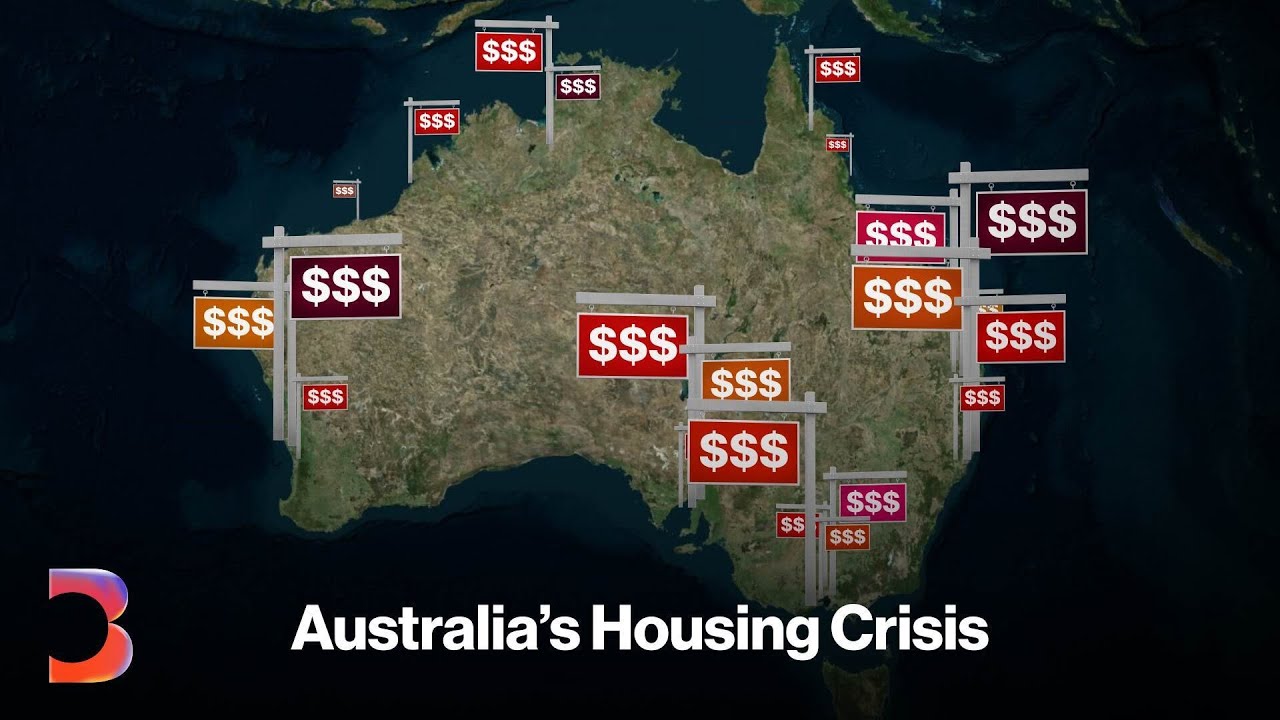
The Housing Crunch in Australia

22 May 2024 Leave a Comment

Challenges for Buyers, Sellers, and the Government

YouTube player
Bloomberg Originals https://www.youtube.com/@business

A Popular House with a Dark History

As an example of current property: Property inspection

Apparently, a hundred years ago, there were witches that lived here, but that hasn’t stopped it from being one of the most popular houses this year. There’s a huge hole as you walk in the front of the house, but we put a bit of plywood there, and we’re still recommending that people step over that if they can. Some of these houses are in such bad condition that we must get people to sign waivers to understand what they’re walking into. We’ve had over a thousand inquiries online, shown about 60 people through the home and sent out 30 contracts. With the market feedback, prices have been between 1.3 and 1.4 million, making it a great raw site for someone looking to renovate.

The Sydney Housing Market: A Bellwether of Property Prices

Alarms are going off in Sydney, known as Australia’s Bellwether Property Market. The coastal city ranks as the second least affordable housing market in the world among 94 major cities. This rush is very overwhelming; there’s not enough supply, and there’s too much demand

I’ve been selling in the area for the last 18 years. The Sydney Market is the strongest in Australia, and that has to do with the beaches and the accessibility to the City airports. It’s a fantastic location with a huge lifestyle scene, and I think it has the highest growing population out of all the Australian cities, and that’s always going to cause prices to go up. When land and homes are scarce, the toughest Market I’m finding for buyers is the low-income first-home buyers, who often look at one- or two-bedroom apartments. As you can imagine, when rates go up from two per cent to six per cent, that’s huge for someone on a single-income salary looking to buy their first home.

Ercan Ersan

The Housing Crunch in Australia: Causes and Consequences

The predicament is mirrored globally, from the UK to Singapore, with little to no signs of relief. So what’s driving this housing crunch, and what are the consequences for buyers, sellers, construction firms, and the government?

National home prices in Australia have risen 33% since the onset of the pandemic. At the same time, interest rates are markedly higher. Now, we’re seeing that because we’ve got very tight conditions with respect to the supply of stock on the market. We’ve also got the unemployment rate which is sitting around a multi-decade low, adding an additional sense of security for home buyers. So we’re continuing to see that housing demand has been bolstered by a strong rebound in net migration. The population of Greater Sydney is expected to grow by 1 million by 2041 to 6.1 million people. To cope with that influx, the state needs about 900,000 additional dwellings by then, according to government estimates. But the tight supply of homes for sale isn’t the only problem.

The Rental Market Crisis

Rental markets in Australia are incredibly challenged at the moment. We’ve got vacancy rates at or close to record lows in most Capital Cities Australia-wide. We’ve got a very strong demand for rent, which continues to outstrip the supply of available rentals. Less than one per cent of the country’s rental properties are available for occupancy, which is the lowest among comparable markets globally. The tight supply partly explains why house and apartment rent surged by 16% and 20% in the past year alone.

The Affordability Challenges for the Younger Generation

When we look at the affordability challenges that the housing market presents in Australia, we see that the younger generation of Australians are most impacted by these challenges, and also amongst those on lower income. 23-year-old Harry and his mother live on the outskirts of Sydney. Harry is a student with a part-time job with a two-hour commute each way. They’re bearing the brunt of the housing crisis, having been left with no choice but to move from house to house to house. Harry says, “The house we were put in previously, I think we started renting it for 470 or 500 a week. It rose to 550. We couldn’t keep up with the cost. My mum is a Catholic Primary School teacher. She’s lived in the area for 20-something plus years, and she can’t afford to live in the same area that she’s lived in.” Harry says they were evicted from their rental house in 2022 when they asked for repairs to the shower.

The Major Disruption of Your Life Housing Crunch

And then suddenly, they’ve just had to drop everything and spend all of their time looking for rental properties, just inspection after inspection, and applying for properties and not hearing anything back. One of the inspections they went to in a nearby suburb, they got there, and around 85 people counted. You don’t stand a chance when there are that many people going. It’s the same with the pitch. It’s kind of like, “Wow, you know, let me do a resume for my dog.”

The Challenges of Building More Homes

Hurdles remain for building more homes to ease the housing crunch. In the background, the construction collapses, with firms going bankrupt in the dozens. A pandemic-driven building boom is partly to blame. Construction firms had agreed to fix-price contracts with lockdown homeowners looking to fix up their properties. But then the cost of labor and building materials spiked along with inflation. According to the Builders Collective of Australia, houses are now 30% more expensive to build than before the pandemic. For some, any relief can’t come soon enough.

Incentivizing Social and Affordable Housing

One way to help alleviate the housing crunch in the Australian housing market is by incentivizing or increasing the supply of social and affordable housing for a portion of housing market participants that are so often overlooked and for whom it is crucial to be able to access stable and secure housing tenure. Across Australia, housing supply and housing affordability are a challenge. We are looking at opportunities to provide greater densification. We’re looking at providing more planning pathways for different types of housing typologies. Firstly, increasing the social housing stock.

“Where you live, it’s not just a roof over your head. It’s:-

  • community,
  • Where you build your family,
  • Where you build your networks,
  • How you get to know people,
  • Your sense of self.

We’ve recently received 610 million dollars from the Commonwealth government that will be directly put into social housing. The government contributes to social housing in the hundreds of hundreds of millions each year to ensure that we reinvest in both new and improved social housing stock. At the moment, every single aspect of renting in this country is centred around profit. The home is such an indescribable thing, and realistically you might not even get the privilege to own your own home at all.”

Summing it up

The housing crunch in Australia is a complex issue that has various contributing factors. The demand for homes and limited supply have increased prices and made it increasingly difficult for many Australians, particularly the younger generation and those on lower incomes, to afford suitable housing. The rental market is also experiencing a crisis, with incredibly low vacancy rates and soaring rental prices. Additionally, the challenges faced by construction firms in building more homes further exacerbate the situation.

To address these challenges, there is a need for increased investment in social and affordable housing and initiatives to incentivize the construction of new homes. By providing stable and secure housing options for all Australians, regardless of their income level, we can work towards creating a more equitable and sustainable housing market.

People Purpose Place home

Filed Under: Place Tagged With: #housingforall

Governments are unwilling/ unable to comprehend housing

24 April 2024 Leave a Comment

Our government should address big issues for our community. Why can the government not solve housing issues? Housing has been at the top of our community concerns for many years. Some reports from 20 years ago highlighted that “housing affordability” was a top three concern across Australia. Government cannot solve housing for 1 primary reason.

Imagination!

This is not meant as a criticism of any of the well-intentioned people we have met in politics. We have found that most individuals who have entered Australian politics have done so with the intention of serving our community. It seems to us that most politicians enter politics for the right reasons. Yet the fact remains that the government cannot solve housing.

If they have good intentions, surely they can make the necessary changes?

Well, the evidence is stark and quite contrary to this ideal scenario. We can and should review several Government programs to address housing issues. Any significant review will document very high public costs (these are our taxes here) being invested in any number of well-meaning projects.


Federally

To start with, let’s have a look at some of the higher-profile Federal programs: –

  • First Home Buyers Scheme
  • The Territory’s intervention in aboriginal housing
  • Defence housing program
  • National Housing Rental Affordability Scheme

In each of these programs, nobody will claim that they have made a tangible difference to the problem that they were tasked to address. In many instances, the actual deliverables are very small fractions of the stated goals, and after some years, these programs are renamed, shelved, or dropped from the political discussion.

Some excellent references are available (see our reference page here). A standout federally produced website that is infinitely useful is the Housing Data—Australian Federal Government. This website is great for geeks and academics to research issues.


State Housing Programs

We all know that the state governments do the work, so perhaps there are more successful programs there: –

  • Department of Housing head lease program 55 million
  • Vacant property back into the market nope, we will hold that for some potential future use

In the past, we have discussed a state asset that was a “vacant” house. When identified to the particular department, the property agreed that “yep, that is vacant.” Then, unbelievably, they bulldozed the house (in 2021) to make way for overflow car parking that this department required for the adjacent train station.


Local Government Housing Programs

Well, these guys are direct and immediate. Surely they can do more than roads, rates, and rubbish? Well, actually, nope. The silence from local councils is deafening.

Where are the local councilors talking about the housing issues in the current local council election campaigns?

 They can see the people sleeping in their cars in the local park and under the bridges even when we discuss the specific challenges these communities face, population loss to the prominent metro locations, and inability to attract additional essential workforce. The local councils are paralyzed, hoping big corporations, private investment, or someone else will ride into the local community and address the housing crisis! We have reviewed many local council housing action plans, which are embarrassing in their lack of understanding of any deliverable projects. Again, it isn’t the individual humans involved. It is the whole system of local government.

Some examples of the local council action plans just make media statements but have little substance.

  • Townsville City Council Action Plan
  • Cairns Regional Council Action Plan
  • Logan Housing Study 2020

Signed off by people in positions to do something …..

Lets drill down into one such example for a bit of understanding….

government cannot solve housing

Rail yards, affordable housing. Is land contamination now cured by injecting a low socioeconomic cohort into this parcel of land?

The land remediation would be quite different if it were for an expensive 5-star resort on the river overlooking the CBD and within walking distance of the entertainment precinct.


As all governments have become paralyzed and risk-averse

To make an omelet, you have to break some eggs. Our systems of government are now only self-perpetuating and unable to take on new content. Perhaps there is a discussion around our governments and whether or not they are still fit for purpose. Given the age of some of our governance fundamentals, the Westminster system, etc., as a community, we might have moved well past these outdated paradigms.

Since we federated and separated from Britain in 1901, what of these old systems still remain? This was a time before the advent of the motor vehicle and powered flight!

Ken Henry: We are breaking the ‘golden rule’ of economic policy

Ken Henry is an economic expert who has spent decades studying our great economy. Instead of finding the modern electric car with advanced manufacturing and technology skills, he is looking at the iconic Australian Camira—a car so rare that none exist today, not even those handful of examples that fall under the category of “collectors” cars.

His 8-minute interview on ABC Radio on 9th April 2024 is compelling and disturbing. Here it is

Ok, so it’s not a Government quick fix!

Then who else? Private enterprise in our current housing marketplace? Ummm, no. Social housing? Still no…. My family? Great if they can, but this is becoming a solution for fewer and fewer of us. Then who…..


Individual agency:  You have the power to make change

At first glance, everything you hear and see will tell you that it is nonsense.

Over the weekend, your well-meaning “Uncle Bruce” will tell you that the housing process is clear-cut and straightforward. Work hard, save your deposit, and apply for a loan…..

For many of us this advice from Uncle Bruce is just nonsense.

The average house across Australia is now approaching the 1 million price point. The chief executive of ANZ is reporting to his shareholders that “the average Australian cannot afford the average home,” which is a significant problem for him as he realizes that his customer base is shrinking. It is also quite uncomfortable for the rest of us trying to wrangle a home in the current dog-eat-dog marketplace.

Hang in there and come on a journey to explore what this means. With some simple caveats, almost anyone can find a great, enduring home.

1. You can make agreements and keep these agreements

2. You have an intention to follow our process

We will coach those willing to do the work. Our process means thinking, testing, and researching within the framework provided by People Purpose Place. We have found that after decades of this issue continuing to worsen, the government cannot solve housing, but you can.

As you next step check out our START HERE page

Return HOME

Filed Under: Place Tagged With: #housingcrisis, #housingforall

Conventional Building Response

5 June 2023

The detached single storey house

Intent

To supply a house at an financial profit.

YouTube player
The business as usual system

From the Australian Bureau of Statistics

Population

  • About 25 million of us
  • About 10.8 million houses
  • Families about 6.7 million
  • Couple family with children about 2.9 million
  • Average people per house 2.5

Houses

  • 3 bedroom houses 3.6 million
  • 4 or more bedroom houses 3.2 million
YouTube player
A better intention for building?

Have a look at the 2021 ABS stats yourself

Return to PLACE

Filed Under: Place

Homes for Your Best Self

14 November 2022 Leave a Comment

YouTube player

Unlocking the Power of Community in Your Living Space

As a passionate advocate for creating homes that nurture our well-being and foster a sense of community, I’ve had the privilege of exploring this topic from various perspectives. It makes sense that homes for your best self should be our default thinking. My journey has taken me from the bustling streets of Europe to the sprawling suburbs of Australia, and along the way, I’ve gained invaluable insights into what truly makes a house a home.

Growing up as a European immigrant in Australia, I’ve experienced firsthand the stark contrast between tight-knit, walkable communities and the increasingly isolated, car-dependent neighbourhoods that have become the norm in many parts of the country. This contrast has fueled my deep fascination with the psychology of housing and the profound impact our living environments can have on our overall well-being.

Rediscovering the Power of Community

One of my most striking observations is the gradual erosion of community ties in modern society. As we’ve become increasingly focused on individual pursuits and pursuing material success, we’ve often sacrificed the rich tapestry of social connections that once wove our neighbourhoods and towns together.

In my travels, I’ve witnessed Europe’s vibrant, interconnected communities, where daily interactions with neighbours, shared public spaces, and a sense of collective responsibility create a palpable sense of belonging. In contrast, many Australian cities’ sprawling suburbs and car-centric design can often leave residents feeling isolated and disconnected from their surroundings.

This realization has made me question the underlying assumptions and priorities shaping our housing landscape. While pursuing individual liberty and privacy is undoubtedly important, I believe we’ve reached a point where we need to strike a better balance between personal autonomy and the benefits of community engagement.

Designing for Connection

As I’ve delved deeper into this topic, I’ve come to believe that the physical design of our living spaces plays a crucial role in shaping our social and emotional well-being. How our homes are situated, the flow of public and private spaces and the integration of shared amenities can either facilitate or hinder the natural development of community ties.

Imagine a neighbourhood where the streets are lined with charming, interconnected townhouses, each with a cozy front porch and a shared courtyard in the centre. Or a multi-unit building with common areas to encourage chance encounters and spontaneous interactions among residents. These intentional design choices can create an environment that naturally fosters a sense of belonging and mutual support. This design phase does not consider the idea of homes for your best self.

Of course, the path to achieving this balance has its challenges. We must navigate the delicate interplay between individual needs and collective well-being, respecting the desire for privacy while also creating opportunities for meaningful social connection. It’s a nuanced and complex issue, but I believe it is crucial to address if we want to build communities that truly nurture our best selves.

Embracing the Collective Mindset

As I reflect on my own experiences and the insights I’ve gained, I’m struck by the realization that our collective mindset plays a significant role in shaping the communities we create. The shift from a more communal, interdependent way of living to a highly individualistic culture has undoubtedly contributed to the erosion of community ties.

However, I’m encouraged by many individuals’ growing awareness and desire to reconnect with their neighbours and foster a greater sense of shared responsibility. By embracing a more collective mindset and being open to exploring alternative living arrangements, we can unlock the immense potential of community to enhance our overall well-being.

This is not to say that we should abandon our individual freedoms or the pursuit of personal growth. Rather, it’s about finding a harmonious balance – honouring our need for autonomy while recognizing the profound benefits of being part of a supportive, interconnected community.

Homes for Your Best Self

Ultimately, my vision for the future of housing integrates the individual and the collective. It’s about creating living spaces that nurture our unique identities and aspirations. At the same time fostering a deep sense of belonging and mutual support.

Imagine a world where our homes are not just physical structures, but vibrant hubs of community! These can be places where we can thrive as individuals while also contributing to the well-being of those around us. The design of our neighbourhoods and living spaces actively encourages chance encounters, shared experiences, and a genuine sense of togetherness. A few examples in Australia speak to homes for your best self, with some of the projects developed under the Nightingale brand as good attempts to achieve this.

This is the kind of future I’m passionate about exploring and bringing to life. It’s a future where our homes are not just the backdrops to our lives, but the foundations upon which we build our most fulfilling and meaningful connections. It’s a future where we can truly be our best selves. Our best selves both as individuals and as members of a thriving, supportive community.

So, let’s embark on this journey together. Let’s reimagine the way we live, work, and connect. We can create homes that nourish our souls and strengthen the bonds that tie us to one another. The path may not be easy, but the rewards of a more connected, community-oriented way of living are truly immeasurable.

If you are inspired, the unedited longer-form interview with Linda is available on our YouTube channel here.

People Purpose Place home
Filed Under: People, Place Tagged With: #housingforall

Footer

People Purpose Place Pty Ltd
ACN: 659 425 242
ABN: 90 659 425 242
Fortitude Valley QLD 4006 hello@peoplepurposeplace.com.au
ACNC Registered Charity Logo
  • Facebook
  • Instagram
  • YouTube

Copyright © 2026 · Original Website by Boldacious Digital