• Skip to main content
  • Skip to footer

People Purpose Place

At People Purpose Place, we're solving the housing crisis one intentional household at a time. Discover some of our plans and examples in our PLACE discussion here.

  • People
    • Who Are You
      • Ethical Investor
      • Community Worker
      • Community Elder
      • Young Professional
      • Facilitator
    • Ambassadors
      • Jenny Sader Ambassador
      • Darren Finlay Ambassador
      • Rowan Blizzard Ambassador
  • Purpose
  • Place
    • Places
      • Ginn Road
    • Projects
      • Rifle Range Road
    • Regions
      • Far North Queensland
    • Connected Projects
      • Connected Project: On Natures Edge Flat Pack House
    • Case Studies
      • 11th Avenue Small Lot
      • Renovating and Improving
      • Granny Flat
      • 70 Square meter
      • Multi-Generational
      • Pavilion Home
      • Existing House – Atherton
  • About
    • Events
    • Becoming a Registered Charity
    • Darren Finlay
    • Christine Doan
    • Russell Lowry
    • Rowan Blizzard
    • Privacy Policy
  • Start Here
    • How We Help
      • Form Groups
      • Design Solutions
      • Deliver Projects
      • Support Long-Term
    • FAQ ORIG
    • Media Releases
    • Flyers
    • Featured Coverage
    • Toolbox
    • Workshops
    • Reference Page
    • Podcasts and Video Content
  • Contact
  • Blog
    • Media Releases
    • All Blog Posts

People

Impacts on Housing

10 April 2025 Leave a Comment

Understanding Bias and Heuristics

In a perfect world, every decision we make about housing would be rational, data-driven, and focused on long-term benefit. But we don’t live in an ideal world, and we aren’t perfect decision-makers. We are human. That means we rely on mental shortcuts, gut feelings, and social influences when navigating complex choices, especially in something as emotionally and financially loaded as housing.

At People Purpose Place, understanding how cognitive bias affects housing is key to addressing broader affordability, access, and innovation challenges. This article explores these biases, how they manifest in the housing system, and why awareness is the first step toward change.

What Are Biases and Heuristics?

Heuristics are mental shortcuts that help us make quick decisions without processing every detail. They’re efficient and often helpful, but they can also lead to biases, which are systematic errors in thinking.

These biases affect everyone, from homebuyers and renters to investors, developers, policymakers, and community groups. They can reinforce inequality, perpetuate poor planning, and lock in outdated housing norms when unexamined.

Common Biases in Housing Decisions

Let’s look at some common cognitive biases and how they distort decision-making in the housing space:

  1. Status Quo Bias: People tend to prefer things to stay the same. This shows up in resistance to alternative housing models, zoning changes, or innovative ownership structures—even when those changes could improve affordability and community wellbeing.
  2. Loss Aversion:  We feel the pain of losses more strongly than the pleasure of gains. Homeowners might oppose new development, fearing their property value will drop, even if the long-term gain is a more vibrant and inclusive neighborhood.
  3. Anchoring Bias:  First impressions or prices anchor our expectations. If a suburb was once “affordable,” people might still believe it is—even when market data shows otherwise. Conversely, if a property was listed at $800,000, a $750,000 price tag might feel like a bargain, regardless of its actual value.
  4. In-Group Bias / Herd Behavior:  People tend to follow the crowd, especially when uncertain. In housing, this can mean buying in a “hot” suburb just because everyone else is, driving up prices irrationally and creating boom-bust cycles.
  5. Overconfidence Bias:  Investors or buyers may believe they can “pick the next growth suburb” or renovate for an enormous profit, even without experience. This can lead to risky decisions and poor outcomes.
  6. Picture Superiority Effect:  Visually appealing listings—photos of sunny kitchens, staged living rooms—can disproportionately influence perception of value, regardless of structural or location flaws.
  7. Information Bias: We often believe that more information leads to better decisions. But in housing, this can create decision paralysis: too many listings, too much data, and too many opinions can lead to no action.
  8. Peak-End Rule:  People evaluate experiences based on the most intense point and the end. A smooth final inspection can override months of stress in the buying process, just as one bad experience with a rental can taint a whole suburb.

These examples show how cognitive bias affects housing choices, from buyers and renters to planners and investors.

The Bigger Picture: Biases at System Level

These biases don’t just influence individuals but also shape policies and markets. Beyond individuals, cognitive bias affects housing systems, influencing public policy, development decisions, and community resistance to change. For example:

  • Governments may underinvest in social housing due to status quo bias or fear of backlash from current homeowners.
  • Due to anchoring bias and perceived market expectations, developers might choose familiar housing types (like 4-bedroom suburban homes).
  • Public opposition to density often stems from loss aversion and in-group bias, even in communities that would benefit from more diverse housing options.

What Can We Do About It?

Understanding bias is not about blaming individuals. It’s about seeing clearly so we can make better choices—together.

1. Design for Bias

Policymakers and developers can design solutions that account for human psychology. This might include visualising benefits more clearly, telling stories that evoke empathy, or framing proposals in ways that highlight gains over losses.

2. Educate and Empower

Public awareness campaigns can help communities understand the impacts of housing bias, shifting the conversation from fear to possibility. Workshops, storytelling, and transparent planning processes are key.

3. Model Alternatives

Pilot projects like co-living, land trusts, or build-to-rent models help overcome the status quo by showing what’s possible. Real examples speak louder than hypotheticals.

4. Create Space for Reflection

Community decision-making benefits from structured dialogue. Slowing down to explore fears, motivations, and assumptions helps people move from reaction to reflection.

Why It Matters

Biases shape how we build, buy, rent, invest, and plan. We risk reproducing inequality and stalling progress when we’re unaware of them. But when we work to understand our own thinking, we unlock new possibilities.

When we recognise how cognitive bias affects housing, we gain the power to design smarter, fairer solutions that put people at the centre.

At People Purpose Place, we believe housing can be more than shelter—it can be security, connection, and community. That starts by seeing not just the houses but the people, their purpose, and the patterns that shape them.

Return to Home

Filed Under: Education, People

Understanding Housing Stress in Australia: An In-Depth Look

1 August 2024 1 Comment

What is Housing Stress?

Housing stress is a critical issue in Australia, defined as households spending more than 30% of their income on housing costs, including rent or mortgage payments. This is especially relevant for those whose life circumstances make it impossible to avoid participating in the established housing marketplace. For instance, owning multiple luxury properties and facing dilemmas about leisure activities does not constitute housing stress.

The portion of the low income population spending more than 30% on housing otherwise refereed to as “rental stress”.

Who is Affected?

The most recent data focuses on the bottom two quintiles of the Australian population when considering disposable household income. Interestingly, even the middle quintile is not exempt from housing stress, illustrating the widespread nature of this issue across various income levels.

Of the 10 million Australian households if we rank them by disposable household income

The top 20% Australian households (Quintile) by income have an annual average disposable income of $280000

These people probably have choices about their housing outcomes.

Frequency of Data Collection

Housing stress data is measured biennially, providing insights into trends and changes over time.

Housing Stress by Housing Type

Households in stress

Of the 10 million Australian households if we rank them by disposable household income

The lowest 20% Australian households (Quintile) by income have an annual average disposable income of $24000

It is fair to assume these households are experiencing housing stress.

This equates to 2 million Australian households

The private rental marketplace emerges as the most stressful environment. The latest statistics highlight the substantial portion of low-income households experiencing rental stress:

1. Prevalence of Housing Stress

Approximately 52.5% of low-income households renting in the private sector spend more than 30% of their gross income on housing costs, indicating significant rental stress.

Among Commonwealth Rent Assistance (CRA) recipients, 70.6% experience rental stress without CRA, and 42.9% still face rental stress even with this assistance.

2. Income Measurement Methods

Housing stress can be measured using gross income (before tax) or equivalised disposable income (after tax, adjusted for household size and composition). The 30:40 indicator is commonly used to identify housing stress in households within the bottom 40% of the income distribution.

3. Impact on Low-Income Households

The Australian Housing and Urban Research Institute (AHURI) provides detailed insights, noting that using gross income helps identify households in stress if they pay more than 30% of their income on housing. Equivalised disposable income takes household size and needs into account for a more nuanced assessment.

4. Government Reports and Surveys

The Australian Bureau of Statistics (ABS) conducts the Survey of Income and Housing (SIH) every two years, collecting data on rental stress and broader housing costs. The Household, Income and Labour Dynamics in Australia (HILDA) Survey also contributes valuable data on housing affordability, monitoring economic and social welfare trends.

Housing Types by Income Quintiles

Lower Quintiles (1st and 2nd)

Housing Type:

Renters and those in more affordable housing options, including public housing and rental accommodations from private landlords.

Housing Costs:

Lower housing costs compared to higher quintiles but significant financial pressure relative to their income.

Middle Quintile (3rd)

Housing Type:

A mix of renters and homeowners. Homeowners typically have mortgages and live in smaller detached houses, townhouses, or units.

Housing Costs:

Moderate costs, balancing affordability and quality. Less likely to experience extreme housing stress but still face challenges.

Higher Quintiles (4th and 5th)

Housing Type:

Predominantly homeowners, many of whom own their homes outright or have significant property equity. Housing types include larger detached houses, high-end apartments, and properties in more desirable locations.

Housing Costs:

Higher costs but a lower proportion of income spent on housing, making it more affordable. These households also often own investment properties and secondary residences.

Income and Housing Data

Income Distribution:

The highest quintile earns significantly more than the lower quintiles, with the top 20% of households earning over $280,000 annually on average, while the bottom quintile earns just over $24,000 (McCrindle).

Housing Affordability:

In 2019-20, average housing costs vary by state, with the highest costs in the Northern Territory and the Australian Capital Territory and the lowest in Tasmania (Australian Bureau of Statistics).

These insights highlight the ongoing challenge of housing affordability in Australia, particularly for lower-income households. For further detailed information, you can refer to the Australian Bureau of Statistics and other comprehensive reports on the subject (Housing Occupancy and Costs, 2019-20 financial year) (Household Income and Wealth, Australian methodology 2019-20).

For a deeper dive into the topic, explore resources from the [Australian Bureau of Statistics](https://www.abs.gov.au) and [AHURI](https://www.ahuri.edu.au).

Return to People Purpose Place home

Filed Under: Education, People Tagged With: #housingcrisis, #housingforall

Power and Chaos of Groups: A Thoughtful Perspective

12 June 2024 Leave a Comment

YouTube player

The Importance of Strategic Thinking

As a 22-year-old who has immersed myself in various community projects, as Oliver himself admits, I’ve come to appreciate the power and complexity of groups. No matter the situation:-

  • Tackling environmental issues
  • Promoting direct democracy
  • Cultivating mindfulness practices

We have all likely encountered the synergy and the challenges that arise when people come together.

One key lesson I’ve learned is the importance of strategic thinking. As Oliver Jesshope eloquently articulated, studying strategy principles, such as those outlined in “The Art of War,” can be valuable when navigating group dynamics. By understanding the underlying patterns and themes that connect seemingly disparate problems, we can focus our efforts and address the root causes more effectively.

Embracing Conflict and Vulnerability

Another crucial aspect of successful group work is navigating conflict and embracing vulnerability. As Darren shared, it’s easy for our own “shadows” to emerge, where we start looking for our own flaws and insecurities in others. If we embrace these “shadows” and hold a space for open and honest dialogue, we can move beyond the superficial and tap into the deeper insights that can arise from conflict. Some cultures seem to have different tolerances for these explicit and uncomfortable conversations.

Techniques like non-violent communication and compassionate conversations can be powerful tools in this regard. By learning to listen deeply, validate each other’s experiences, and seek common ground, we can transform potential division points into opportunities for growth and understanding.

The Power of Mindfulness and Presence

The value of mindfulness and presence is intertwined with the importance of strategic thinking and conflict resolution. As Oliver shared, figures like Genghis Khan and Napoleon often took time for personal reflection before engaging in critical moments. This practice of centring oneself and aligning one’s intent can be just as crucial in the context of community work as it is in the realm of military strategy.

By cultivating a sense of presence and self-awareness, we can better navigate the complexities of group dynamics, respond with clarity and compassion, and maintain a clear sense of purpose amidst the inevitable challenges that arise.

Bridging Generations and Perspectives

One of the most inspiring aspects of this conversation was the intergenerational exchange between Oliver, Darren, and Christine. The combination of Oliver’s fresh perspective, Darren’s hard-won wisdom, and Christine’s lived experiences provided a rich tapestry of insights that can inform our approach to community-building.

As Darren noted, Oliver’s unique position as a young person grappling with the housing crisis and other societal challenges can give him a powerful voice. This is a key voice to reach out to his peers and bridge the gap between different generations. By actively seeking to understand and incorporate diverse viewpoints, we can create more inclusive and resilient solutions.

Embracing the Power and Chaos of Groups

In the end, the key to navigating the power and chaos of groups lies in a combination of:-

  • Strategic thinking,
  • Conflict resolution,
  • Mindfulness,
  • A willingness to embrace the complexities of human interaction.

By cultivating these skills and approaches, we can transform the challenges of group dynamics into opportunities for growth, innovation, and meaningful change.

As we progress, I’m excited to continue exploring these ideas with Darren, Christine, and others. People who share a passion for creating more equitable and connected communities. Together, we can harness the power of groups to tackle the pressing issues of our time. Perhaps this could build a better future for all.

If you are inspired, Oliver’s unedited, longer-form interview (1 hour) is available on our YouTube channel here.

People Purpose Place home

Filed Under: People, Purpose Tagged With: #housingforall, #housingforpolice

Planning for the Future: Ageing with Independence and Community

29 May 2024 Leave a Comment

YouTube player

Introduction

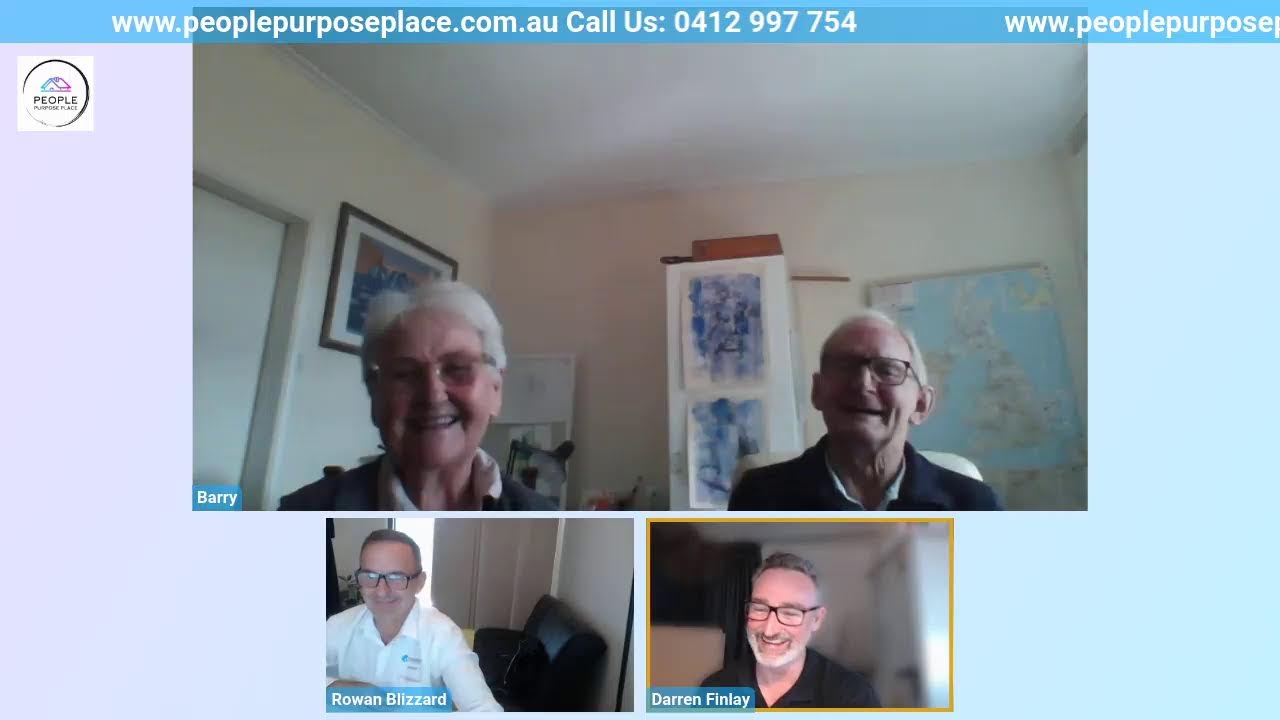
Welcome to Lunchtime with People Purpose Place! In this episode, Rowan from People Purpose Place is joined by his parents, Barry and Anne, to discuss the vital topic of aging and how to navigate the challenges that come with it. They share their experiences and offer insights into planning for the future, ageing with independence, and finding support within the community.

The Changing Landscape of Ageing

Beyond the challenges of ageing, the conversation delves into society’s changing landscape. With the number of people over 65 expected to double in the next 20 years, addressing this demographic shift’s financial, social, and emotional implications is crucial.

The Role of Wealth and Financial Planning

Barry and Anne emphasize the importance of financial planning for ageing individuals. They discuss how wealth can impact the ability to access care and support, highlighting the need for alternative solutions that maintain one’s savings. They also touch on the potential consequences of government policies and charges on inherited wealth.

The Value of Independence and Community

While ageing with independence and financial considerations are significant, the conversation also centers around the value of autonomy and community. Barry and Anne share personal stories of their experiences and the importance of maintaining connections with friends and family as they age. They stress the need for community support networks and the benefits of multi-generational living.

Supporting Independence Through Planning

The discussion also touches on the importance of planning for the future. Barry and Anne explore solutions such as creating multi-generational housing options and finding ways to support each other without sacrificing individuality. They highlight the need for open conversations and personalized approaches to ageing.

Navigating the Ageing Process

Barry and Anne reflect on their journeys and the challenges they have faced. They discuss the evolving perception of ageing and the shifting dynamics within families. While they acknowledge previous generations’ obligation towards caring for their parents, they also recognize the changing expectations and the need for a new approach.

The Complexities of Caring for Ageing Parents

Barry and Anne share their personal experiences of caring for their parents. They discuss the challenges of distance and the guilt that can arise when unable to provide hands-on care. They also highlight the importance of open communication and understanding the desires and needs of ageing parents.

The Significance of Planning and Communication

Planning for the future and discussing expectations is crucial in ensuring a smooth transition as loved ones age. Barry and Anne stress the importance of having conversations about ageing preferences and creating a plan that meets individual needs. They also acknowledge the difficulties in making decisions for ageing parents and emphasize the need for empathy and understanding.

According to the Harvard intergenerational study, which lasted nearly 80 years, our genes are part of healthy longevity, but joy is also fundamental.

Community Support and Connections

Barry and Anne emphasize the importance of community support and connections throughout the conversation. They discuss the impact of social isolation and the need for human connection within families and broader networks.

The Role of Community in Ageing Well

Barry and Anne highlight the role of the community in ageing well. They share personal anecdotes about the benefits of participating in group activities and maintaining connections with friends. They also discuss the challenges of finding support when traditional systems may fall short.

Creating Solutions Within Existing Communities

Barry and Anne acknowledge the difficulties in finding appropriate support within existing communities. They discuss the impact of closures, such as the recent closure of Anne’s gym, on social connections. They explore the idea of creating alternative solutions, such as shared caregiving or housing options, to ensure that individuals can maintain their independence while having access to support when needed.

Conclusion

Barry, Anne, Rowan, and Darren’s conversation highlights the importance of planning for the future and finding support within communities as individuals age. The goal may be to ageing with independence. They stress the need for open conversations, personalized approaches, and recognition of society’s changing dynamics. By addressing these challenges head-on, individuals can age independently, maintain connections, and create a fulfilling and meaningful life.

People Purpose Place home

Filed Under: People Tagged With: #housingforall

Creating a Sense of Home: Beyond Bricks and Mortar

15 May 2024 Leave a Comment

YouTube player

The Importance of Home

When we think about home, we consider not just the physical structure itself but also the feeling of belonging, security, and safety that it provides. We’ve all experienced the joy of homecoming after a beautiful vacation or the comfort that a familiar space can bring. At People Purpose Place, our focus starts with the human component. When creating a sense of home the human element matters, rather than just the bricks and mortar.

Going Beyond Bricks and Mortar

While we are highly skilled in the technical aspects of construction, we believe that the human cost is the most significant factor. In our People Purpose Place conversation we like to start there. One of our ongoing projects is in the Atherton Tablelands community, where we are building a brand-new house on Ginn Road in Malanda. While this project is unique, it still serves the same purpose as any other regular house. We can provide you with links to learn more about this exciting construction site if you’re interested.

It is important to remember that this worksite is a construction zone right now. For your safety we kindly request that visitors refrain from wandering through it without supervision. Safety is our top priority, and we want to ensure everyone remains safe during construction.

Housing Challenges for Healthcare Professionals

One of the biggest challenges we face in this regional community is attracting healthcare professionals. Doctors, nurses, and allied health workers are in short supply, it is difficult to attract new workers to the community. Limited or no housing options make finding suitable accommodations difficult for these individuals. For instance, the officer-in-charge at Atherton police station shared their concerns about the housing. For three trainees who were posted to the region for 12 months they have limited options. A poor housing situation can negatively impact their perception of the community and their willingness to stay long-term.

For three trainees who were posted to the region for 12 months they have limited options. A poor housing situation can negatively impact their perception of the community and their willingness to stay long-term.

Officer In Charge Police Station

This housing issue significantly impacts the retention and attraction of healthcare workers. Access to quality housing options is crucial for creating a sustainable workforce in our community.

The Needs of the Elderly Community

Another audience we prioritize is the elderly community. As our parents age, we begin discussing their future housing needs. Many elderly residents enjoy where they currently live and they often do not want to leave. Factors such as a large property with challenging maintenance and potential health issues may force a change despite their wishes.

In 2018, the Royal Commission on Aged Care (Final Report Here) conducted a national inquiry into the circumstances of elders in institutional care. The findings were disheartening, revealing instances of neglect. As individuals responsible for the care and well-being of our parents, we must ensure that they receive the respect and support they deserve.

As someone who has witnessed the challenges of caring for aging parents, I understand the significant life adjustment it entails. The transition from independence to becoming a caregiver can be overwhelming. However, it is essential to recognize that institutional care is not the only option.

In some cultures, such as Bali, multi-generational living is the norm. Families adapt to accommodate new generations by building additional structures on their property. The elderly are not seen as a burden or sent to institutions. In these communities, the elderly are valued household members. While this may not be our current societal norm, alternative approaches to elder care are worth considering.

The People Behind People Purpose Place

At People Purpose Place, we are a diverse group of individuals united by a common goal. Our team includes professionals like Dr Malcolm Holz, who has even contributed to town planning legislation in Queensland. When we engage with local councils, we do so confidently. We know that our projects not only meet but exceed, the minimum requirements set forth by the town planning codes.

We believe in best practices and aim to provide a response that goes above and beyond what is expected. Our expertise and commitment ensure that every project we undertake is of the highest quality and serves the community’s best interests.

Summing up Great Homes

Creating a sense of home goes beyond the physical structure. It encompasses feelings of belonging, security, and safety. At People Purpose Place, we understand the importance of the human component when it comes to housing. Whether it’s providing suitable accommodations for healthcare professionals or addressing the housing needs of the elderly community, we strive to exceed expectations and create sustainable solutions.

By focusing on the people rather than just the bricks and mortar, we can foster a sense of home that benefits everyone in the community. With our team of dedicated professionals and a commitment to best practices, we can make a positive impact and create spaces that truly feel like home.

People Purpose Place home

Filed Under: People, Purpose Tagged With: #elderhousing, #housingfornurses, #housingforpolice

Tips for Creating a Successful Collaborative Home

8 May 2024 2 Comments

YouTube player

Information Session – Professional review

There are many factors to consider when creating a successful collaborative home. Whether you’re a seasoned professional or just starting, it’s important to have a solid understanding of the process and the best practices to follow. In this blog, we will explore valuable tips and insights that can help guide you in the right direction. This information session feedback was provided by an Architect with a passion for great homes and a local practice. Thanks, Stuart from “Life Design Consulting“. It really helps to have your input.

The Importance of Setting Boundaries

One of the key aspects of creating a successful collaborative home is establishing clear boundaries from the beginning. By having member agreements in place, you can ensure that everyone understands their responsibilities and expectations. This can greatly contribute to a smoother and more harmonious living environment. Additionally, setting boundaries can help prevent conflicts and misunderstandings down the line.

The understanding of why the toilet seat must be left Up/ Down is a simple example to start with in your household by way of example.

Challenging Fixed Mentalities

Challenging fixed mentalities when it comes to a great home is important. Many people have preconceived notions about what a home should be like and how people should live together. By introducing alternative perspectives and ideas, you can help broaden their understanding and create a more inclusive and open-minded community. Encourage discussions about what it means to have a shared meal or laundry facility and challenge traditional expectations.

Privacy vs. Shared Spaces

A common topic of discussion in a collaborative home is privacy versus common spaces. While some individuals value having their own private space, others are comfortable with shared bedrooms. Facilitating conversations around this topic and allowing people to express their preferences is essential. By finding a balance between privacy and common spaces, you can create a living arrangement that suits the needs of the household.

Image by pch.vector on Freepik

Personal Experience and Perspectives

Stuart shared his family’s personal experience of having six children and homeschooling them in the common bedroom. They explained that initially, all six children shared one bedroom, but as their family grew, they extended their house and created separate boys’ and girls’ rooms. However, they intentionally designed the bedrooms not to be completely private to avoid issues with screen time and other distractions. This example highlights the importance of considering individual preferences and finding solutions that work for everyone.

Image by freepik

Communities and Group Dynamics

Successful households can vary in size and composition. While some communities consist of single individuals sharing a house, others may involve groups of people sharing a property. In the latter scenario, having an odd number of members, such as five, can be beneficial to avoid potential deadlocks when making important decisions. This ensures that there is always an odd number of votes, making it easier to reach agreements. At People Purpose Place, our toolkit does suggest other tools may be necessary, such as sociocracy or better agreement-making methods rather than the loudest voice in the room.

Image by freepik

Intimate Relations and Small Groups

Throughout history, small groups have often been the ideal size for intimate relations and collaborations. This is why many successful homes have found that smaller groups, such as five people, work well. By keeping the community size manageable, it becomes easier to foster a strong sense of connection and cooperation among members.

Summing Up

Creating a successful collaborative home requires careful planning and consideration of various factors. By setting clear boundaries, challenging fixed mentalities, and finding a balance between privacy and common spaces, you can lay the foundation for a thriving and harmonious home. Additionally, understanding the dynamics of communities and the benefits of smaller groups can further enhance the overall experience for everyone involved. Remember, building a great home is a journey, and with the right approach, it can lead to a fulfilling and rewarding living arrangement.

People Purpose Place home

Filed Under: People Tagged With: #housingforall

The Reality of Homelessness: Hope Resilience

21 April 2024 Leave a Comment

YouTube player

A Lost Dream

Providing hope and resilience is the foundation of our Not-for-profit work at People Purpose Place. This story from DW is compelling,

This house, on the right-hand side, is where our house was. This same tree, actually, the same tree, that has always been here. And that big gum tree up the back was full of fruit bats. They would come and screech all night and I was very happy. And life was pretty good. It was pretty good. It happens suddenly. My partner said to me one day, we don’t have any money left. And, um, it’s sort of too hard to kind of even comprehend really. He kept saying, “Don’t worry about money, don’t worry about money. Everything is under control. You keep doing your thing.” But then, this day he said – it was a Saturday, and he said, we don’t have any money left. The removalists came and took everything. Homelessness was not even on my radar. I had never, ever considered that I would be homeless. Never.

The Great Australian Dream

For many years, owning a house was known as the Great Australian Dream. The belief was that home ownership would lead to a better life. A home represents more than just bricks and mortar. More than a roof over your head. It is a shelter. A safe place to live. Giving us security and a sense of belonging.

Australia was called the lucky country — a land of hope and opportunity. The myth was that you could achieve anything if you worked hard enough. The aim was, for many, to own a quarter-acre block in the suburbs with a clothesline out the back. Housing developments were everywhere. New suburbs were sprawling and the property market was booming. We’re selling! For a while, the future looked rosy. Politics and economics change everything. As time passed, the great Australian dream has slowly eroded. And for many people, that dream has been shattered.

The need for long-form storytelling. Thankfully, Deutsche Welle has been inspired to pick up this story.

hope resilience

The Misconceptions of Homelessness

I’m going a bit ranty now, but it’s absolutely crazy, vile, and reprehensible how our society treats homelessness. There’s this thing in the current neo-liberal agenda of wanting everyone to think that people are homeless because it’s their own fault. Technically homeless means, I don’t have a home. That can happen to anybody. Anyone could end up homeless in two weeks. Everyone who looks down on homeless people thinks: these homeless people have done something wrong, or they deserve it, or they need to work hard, or they shouldn’t be on drugs or whatever, not realizing that they could be the next homeless person. I didn’t think I could end up homeless and I did. I was homeless for over 10 years.

From Stability to Uncertainty

I got sacked from my job and had a relationship fall apart on the same day. Two weeks later, because I couldn’t afford to pay the rent, I also lost my house. So I went through the lost partner, lost house, and lost job, which are 3 of the 5 most stressful things you can have in your life. All happened at once. So from that, I ended up on the street. I had a generic white van pulled up to a park and just slept in the back. I slept in my car in one particular park for almost a year.

Stories of Resilience

I want to introduce Claire G. Coleman. I’ve heard Claire speak with moving insight about her experiences of being homeless. Claire’s novel, Terra Nullius, won the Norma K. Hemming Award, a science fiction award named for Australia’s first significant female science fiction writer. It’s a powerful story of colonial dispossession, oppression, and resistance to the invader settlers.

The Hidden Crisis

Homelessness is often seen as a man’s issue. What comes to mind is a man sleeping rough on a park bench. You don’t tend to think about someone’s daughter, mother, or grandmother.

As new data emerges, 405,000 women over 50 have been identified as homeless or on the brink of homelessness in Australia. These women are all over the country, and all over the world. It is a crisis on our doorstep. It’s always been a struggle for women to have equality in Australia. Although there has been some progress, the fight for equality in the so-called ‘lucky country’ continues to this day. Women may have raised children, had a reduced earning capacity, cared for aging parents, put careers on hold and had little or no superannuation. Now, as they age, and with no prospect of getting back into the workforce, they find themselves as part of the growing and shameful statistic of homelessness. They are often hidden, out of sight, out of mind.

Editor Note: Discussions with Housing Older Womens movement have found as one option we have a process that offers some hope and resilience for this cohort.

Creating Solutions

One great organisation working in this space is Housing All Australians

hope resilience

As governments and support services struggle to address the homelessness crisis, organizations and individuals work tirelessly to find solutions. One such initiative is the Housing All Australians project. This project aims to utilize empty buildings and convert them into short-term accommodation for those in need. While these pop-up shelters are not a long-term solution, they provide temporary relief and support for homeless individuals. However, it is clear that more needs to be done. There is a pressing need for affordable and public housing to be available.

Editor Note: Hope and resilience are exactly the words from our workshops that our attendees report after finding a possible path to their enduring home.

Winning lotto seems my only strategy for housing security other than that there is nothing available for me.

J

Workshop attendee

Rebuilding Lives

It is not just about providing a roof over someone’s head. It is about rebuilding lives, restoring hope, and giving individuals a sense of security. Transitional housing programs and organizations like Women’s Housing are crucial in helping women find stability and regain their independence. These programs provide a place to live and offer support, resources, and a sense of community to those who have experienced homelessness.

Stories of Hope

Amidst the challenges and hardships, there are stories of hope and resilience. Individuals who have overcome adversity have found a sense of home, whether in a van, a bus, or a small apartment. These stories serve as a reminder that home and belonging can be found in unexpected places. They remind us of the human spirit’s strength and community’s power.

A Call to Action

Homelessness is a complex issue that requires a collective effort to address. Acknowledging the problem is not enough; we must take action. Governments, organizations, and individuals all have a role in creating sustainable solutions and supporting those in need. Together, we can build a society that values and prioritizes the well-being and security of all its members.

Having nursed my mother in her last years I now  plan on dying early.

N

Workshop attendee

A New Dream

As the great Australian dream of home ownership fades for many, it is time to envision a new dream. One where hope and resilience walk hand in hand with some workable solutions. A dream that encompasses affordable housing, social support, and a sense of belonging for all. It is time to come together and work towards a future where homelessness is no longer a reality for anyone. Home is where we find safety, comfort, and a place to belong. Let us strive to make this a reality for all.

I now have no fear for my future knowing what I now know!
Jenny Sader

Jenny Sader

Ambassador

Continuing the Journey

These stories are just a glimpse into the reality of homelessness. They remind us of the importance of empathy, compassion, and understanding. As we reflect on these stories, let us remember that homelessness can happen to anyone, and it is our collective responsibility to address this issue and create a more inclusive and compassionate society. Together, we can make a difference. Our goal is to build up hope and resilience within our community.

People Purpose Place home

Filed Under: People Tagged With: #elderhousing, #housingcrisis, #housingforall

Living on My Own: The Pros and Cons

17 April 2024 2 Comments

YouTube player

Living on your own is often a dream many individuals strive to achieve. The idea of having your own space, making your own decisions, and enjoying complete independence is undoubtedly enticing. However, this desire for freedom may come at a cost.

The Financial Burden

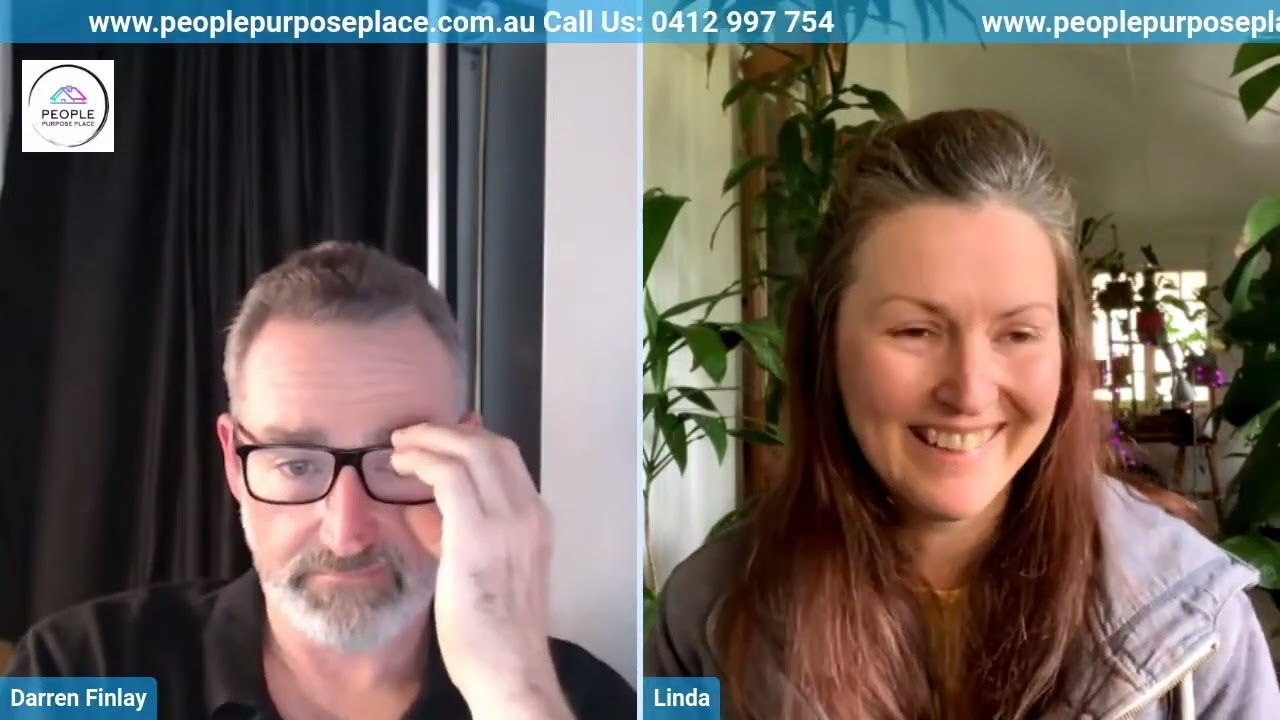
One of the main challenges of living independently is the financial burden it can create. As this discussion with Linda suggests, finding an affordable house can be daunting, especially for those on a limited budget. Purchasing a house requires a significant amount of money, which may not be feasible for many individuals, especially for a single professional with a good employment history, as is the case for Linda.

Instead, most people opt to rent a unit or apartment. While this provides a sense of independence, it often comes at a high cost. As Linda explains, the bills and expenses associated with living alone can quickly add up, leaving little room for savings or unexpected expenses.

Shared Housing as an Alternative

Recognizing the financial challenges of living on her own, Linda chose to explore the option of shared housing. Shared housing involves living with roommates or sharing a unit with others to split the costs.

Although shared housing means sacrificing some independence, it offers a more affordable solution. Splitting the bills and expenses with others reduces the financial burden, allowing individuals to save money or allocate funds to other areas of their lives.

The Benefits of Share Housing

While living alone may seem appealing, shared housing has its own set of advantages. Here are a few benefits:

  • Financial Relief: As mentioned earlier, shared housing provides financial relief by reducing overall expenses. This allows individuals to save money or invest in other areas.
  • Shared Responsibilities: Living with others means sharing the household responsibilities. This can include chores, maintenance, and even grocery shopping. Splitting these duties can alleviate the burden of having to handle everything on your own.
  • Companionship: Living with roommates can provide a sense of companionship and prevent feelings of loneliness. It offers opportunities for social interactions and the chance to build lasting friendships.
  • Expanded Network: Share housing often introduces individuals to new people from different backgrounds. This can broaden their social network and expose them to diverse perspectives and experiences.

Striking a Balance

Ultimately, deciding to live alone or opt for shared housing depends on an individual’s priorities and financial situation. While living alone grants complete independence, it may come at a high cost. On the other hand, shared housing offers financial relief and companionship but requires compromise.

As Linda shares, she initially enjoyed the freedom of living alone but found the financial burden overwhelming. Returning to shared housing was a more sustainable solution, even though it meant sacrificing some independence.

The Importance of Financial Stability

Financial stability is crucial for leading a comfortable and stress-free life regardless of the living arrangement. Before making the decision, it is essential to carefully consider the affordability of living alone.

While the desire for independence is valid, ensuring you can cover all expenses is equally important. Your budget should allow for known items and also factor in unexpected costs that may arise and have enough savings for emergencies.

Conclusion

Living on your own offers an unmatched sense of independence. However, it is essential to weigh the financial implications carefully. Share housing provides a viable solution for those seeking a more affordable living arrangement while enjoying the benefits of companionship and shared responsibilities.

Balancing independence and financial stability is key to creating a fulfilling and sustainable living situation.

If you are inspired, the unedited longer form interview with Linda is available on our YouTube channel here.

People Purpose Place home

Filed Under: People Tagged With: #housingforall

  • Page 1
  • Page 2
  • Go to Next Page »

Footer

People Purpose Place Pty Ltd
ACN: 659 425 242
ABN: 90 659 425 242
Fortitude Valley QLD 4006 hello@peoplepurposeplace.com.au
ACNC Registered Charity Logo
  • Facebook
  • Instagram
  • YouTube

Copyright © 2026 · Original Website by Boldacious Digital